Tag: NDT Level-2 Courses at Trichy

  • Best NDT Institute in Trichy 2026 — Complete Buyer’s Guide | Boon India

    The Ultimate Guide to Choosing the Best NDT Institute in Trichy (2026)

    By Boon India Editorial Team  |  Published May 2026  |  Updated regularly

    Choosing the right NDT training institute is one of the most consequential decisions you will make in your technical career. Get it right, and you walk out with a certification backed by real practical competence, an internationally recognised standard, and a placement network that opens doors across India and the Gulf. Get it wrong, and you spend money and time on a certificate that employers recognise — but for the wrong reasons.

    This guide is designed to help engineering graduates, diploma holders, and working professionals make that decision with clarity. We cover what to look for when evaluating an NDT institute, what questions to ask before enrolling, and why Boon India has built a reputation as the best NDT institute in Trichy over fifteen years of consistent training outcomes.

    Who is this guide for? • Engineering graduates and diploma holders exploring NDT as a career path• Working professionals in manufacturing, QC, or oil and gas looking to certify• Candidates comparing NDT training options across Trichy and Tamil Nadu• Anyone already enrolled who wants to understand what good training looks like

    What Is NDT Training — and Why Does the Quality of the Institute Matter So Much?

    Non-Destructive Testing is a specialised field. Unlike general engineering courses where knowledge gaps can be papered over with exam performance, NDT is a discipline where the quality of your practical training shows up immediately on the job. When you show up on a pipeline inspection project and cannot calibrate your ultrasonic equipment correctly, or when you misinterpret a radiographic image because your training was rushed, there is no hiding it. The field reveals preparation — or the lack of it.

    This is why the choice of NDT training at Trichy matters so much. Two candidates can hold the same Level-II certification from the same certifying body, but the one who trained at an institute with a well-equipped lab, experienced trainers, and rigorous practical assessment will perform fundamentally differently from the one who studied from photocopied notes in a room with a projector and no actual equipment.

    The certification is the floor, not the ceiling. The quality of your NDT training determines how much above that floor you stand when employers interview you and when project sites test you.

    The 6 Things to Evaluate Before Enrolling in Any NDT Course at Trichy

    Use this checklist when comparing NDT institutes. These are the six criteria that separate genuinely good training from certificates sold as training.

    1. Certification Standard Alignment

    Any NDT course at Trichy worth enrolling in should explicitly state which international certification standard its program follows. The two globally recognised frameworks are ASNT SNT-TC-1A (the American Society for Nondestructive Testing standard) and PCN, which is the certification scheme under ISO 9712. Oil and gas companies, EPC contractors, and inspection agencies in the Gulf specify one or both of these in their hiring requirements.

    Ask the institute directly: ‘Is your NDT Level-2 training aligned with ASNT SNT-TC-1A or ISO 9712?’ If they cannot answer clearly, that tells you what you need to know.

    Boon India’s standard: Curriculum aligned with ASNT SNT-TC-1A and PCN (ISO 9712) across all methods.

    2. The Quality and Background of the Trainers

    The best NDT trainers at Trichy are not academics who have studied NDT — they are professionals who have practised it. Look for trainers who have held inspection roles in oil and gas, power generation, or aerospace before moving into training. Ask specifically about their industry experience, the projects they have worked on, and whether they are themselves certified at Level-III.

    A trainer who has calibrated real UT equipment on a live refinery project explains calibration differently from one who has only done it in a training demonstration. That difference accumulates across fifty hours of instruction and shapes whether you are job-ready or just exam-ready when you leave.

    Boon India’s trainers: Including M. Jeyakandan (Executive Director, 16+ years of field and training experience in API and ASNT disciplines, trainer to professionals in IOCL, BPCL, and across Nigeria, UAE, Saudi Arabia, and Oman).

    3. The Training Facility and Equipment

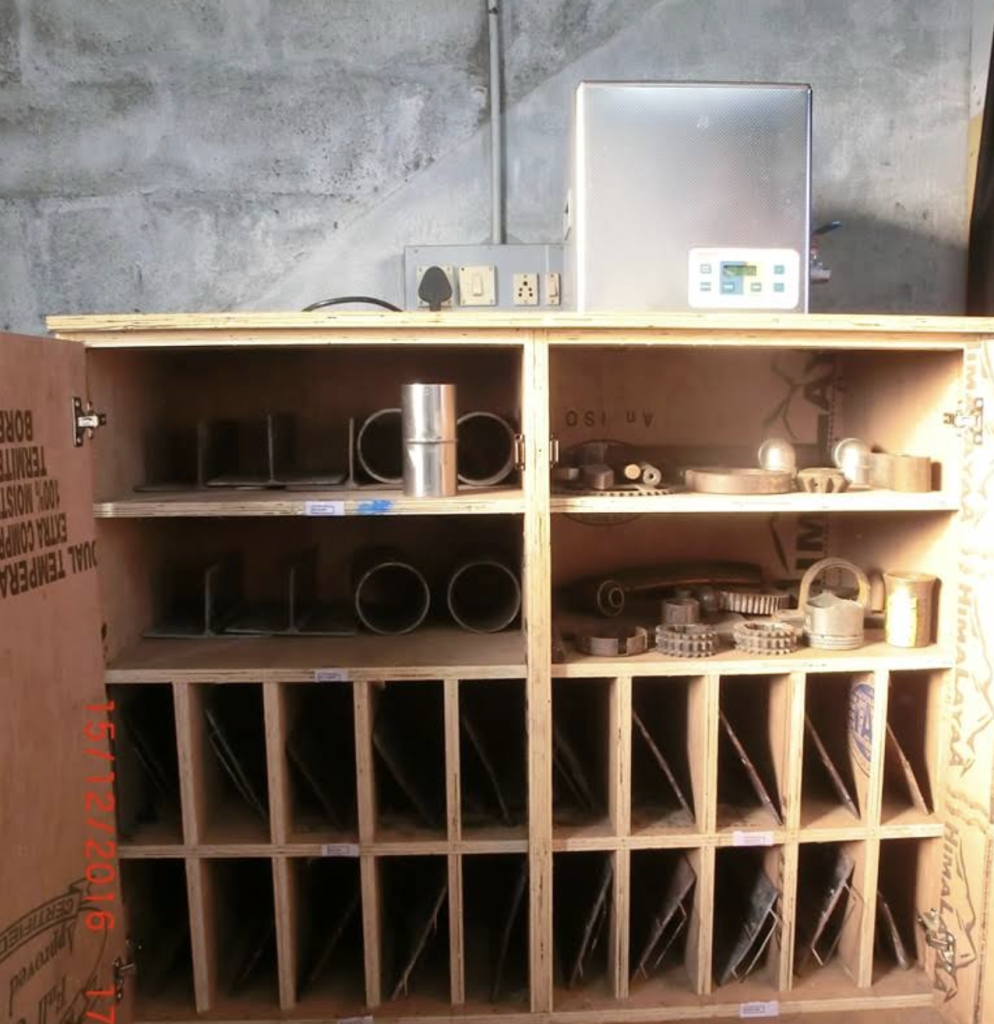
    NDT is hands-on work. The best NDT training facility at Trichy will have actual NDT instruments — not just demonstration models — that students calibrate and operate during their training hours. It will have real test specimens: weld samples with known defect locations, pipe sections, castings, and heat exchanger tube specimens. These allow students to practise finding real defects under simulated field conditions, not just in controlled demonstrations.

    When you visit an institute (and you should visit before enrolling), ask to see the lab. Ask which instruments are available for student practice during the standard training program. Ask whether the lab is available outside class hours for additional practice.

    Boon India’s facility: The best NDT training facility at Trichy includes industrial-grade UT, RT, MT, PT, ET, and RFI instruments alongside a library of real weld specimens, pipe sections, and tube samples for hands-on practice.

    4. Methods Covered

    A comprehensive NDT Level-2 program covers the six primary methods: Ultrasonic Testing (UT), Radiographic Testing (RT), Magnetic Particle Testing (MT), Liquid Penetrant Testing (PT), Eddy Current Testing (ET), and Remote Field Inspection (RFI). Not all institutes cover all six. Some only offer two or three — which limits your market value as a certified technician.

    RFI in particular is less commonly offered and is specifically in demand for heat exchanger tube inspection in refineries and power plants. An institute that covers RFI as part of their NDT Level-2 courses at Trichy is signalling a curriculum that goes beyond the minimum.

    Boon India covers: All six methods — UT, RT, MT, PT, ET, and RFI — within the NDT Level-2 training program.

    5. The Assessment Process

    International certification standards specify minimum training hours and require both written theory examinations and practical performance assessments. Ask any NDT institute how they handle assessment: is the practical exam conducted on real specimens? Who conducts the assessment? Is it an internal trainer or an independent examiner?

    Rigorous assessment is uncomfortable for students who are not fully prepared — and that discomfort is exactly the point. It means that when you do pass, your certification reflects actual demonstrated competence rather than attendance. Employers know this, and they know which institutes take assessment seriously.

    6. Placement Support and Alumni Network

    A good institute does not end its relationship with students at the certification ceremony. Look for an institute that maintains an active alumni network, has relationships with EPC contractors and inspection agencies, and offers placement assistance as part of the training package. Ask specifically: where are your recent graduates working? Have any been placed in Gulf-based roles?

    An institute that can point you to real alumni in real roles — not just a list of company logos on a website — is one that has delivered on its promises consistently enough to maintain those relationships.

    “The certification is the floor, not the ceiling. The quality of your NDT training determines how much above that floor you stand when employers interview you.”— Boon India — Best NDT Institute in Trichy

    Why Boon India Is the Best NDT Institute in Trichy — The Evidence

    With fifteen years of operation, over 2,000 students trained, and alumni placed across India and the Gulf, Boon India has earned its reputation as the best NDT institute in Trichy through consistent delivery — not marketing claims. Here is the specific evidence behind that reputation:

    ISO 9001:2015 Certification

    Boon India holds ISO 9001:2015 certification — a formally audited quality management standard. This means the institute’s training processes, materials, assessment procedures, and administration have been evaluated by an independent body and found to meet international quality requirements. For candidates applying to international employers, training from an ISO-certified institute is a meaningful signal of credibility.

    Curriculum Aligned with International Standards

    Every NDT Level-2 course at Trichy offered by Boon India is built around ASNT SNT-TC-1A and PCN (ISO 9712) standards. These are not aspirational claims — they are the frameworks that determine minimum training hours, assessment requirements, and certification validity. Boon India’s programs are designed around these standards precisely because graduates need to be competitive for roles specified under them.

    The Best NDT Trainers at Trichy — With Real Industry Experience

    Boon India’s training team includes professionals who have worked in oil and gas inspection, power plant QC, and international project environments before transitioning into full-time training. The best NDT trainers at Trichy are not people who studied NDT and then taught it — they are people who practised it at a high level and now teach from that foundation. The difference in classroom quality is immediately apparent to anyone who has experienced both.

    The Best NDT Training Facility at Trichy

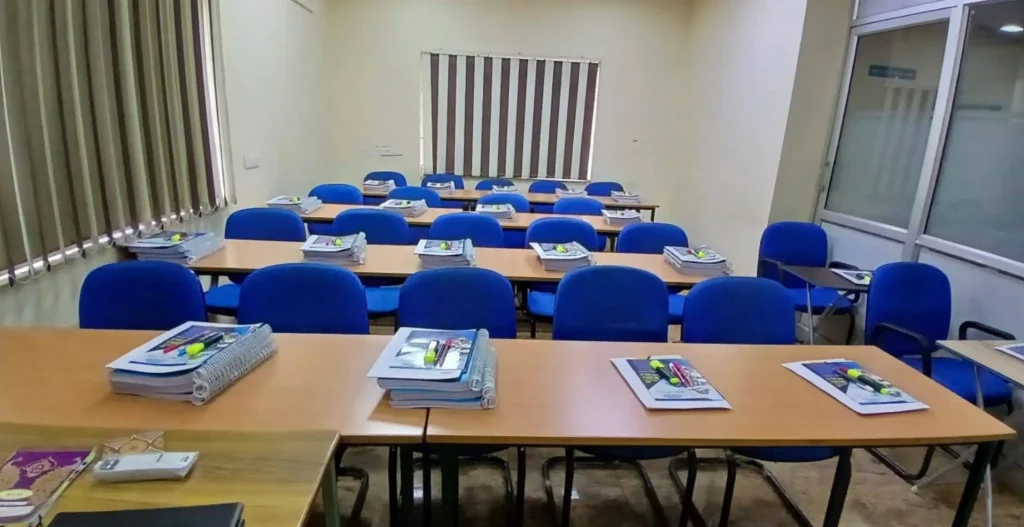
    The Boon India campus at Thillai Nagar, Trichy houses a purpose-built NDT training laboratory with industrial-grade equipment across all six NDT methods, real test specimens including weld samples and tube bundles, and a classroom environment structured around active learning rather than passive instruction. When candidates from other institutes visit, the comparison is usually immediate.

    A Portfolio of Complementary Certifications

    Boon India offers more than just NDT Level-2 training. The institute runs preparatory programs for API 510 (Pressure Vessel Inspector), API 570 (Piping Inspector), ASNT Level-III, and CSWIP (Welding Inspector). This means a professional can build an entire inspection career certification portfolio through a single, trusted institute in Trichy — from the first NDT course all the way to senior API Inspector level.

    NDT Level-2 Courses at Trichy — What the Schedule Looks Like

    Boon India runs regular batches for NDT Level-2 courses at Trichy throughout the year. The training calendar is published on the institute’s website and updated as new batches are confirmed. New batches for UT, RT, MT, PT, ET, and RFI begin regularly, with both full-method programs and multi-method combinations available depending on candidate requirements.

    Candidates who need to complete multiple methods can plan a progression with Boon India’s team — starting with the most in-demand methods (typically UT and MT/PT) and adding additional certifications over time as experience is accumulated.

    Current schedule & enrollment:  
    Visit boonindia.com/calender for the live training calendar and next batch dates. 
    Phone / WhatsApp:  +91 94420 26587  |  +91 80984 18222
    Email:  info@boonindia.com
    Address:  No. 37, Tanish Complex, 3rd Floor, 11th C-Cross, Thillai Nagar, Trichy – 620017

    Making the Decision: A Practical Final Checklist

    Before you sign up for any NDT training at Trichy, run through this checklist one more time:

    1. Visit the institute in person — do not enrol based on brochures or phone calls alone
    2. Ask to see the lab and the actual equipment students use during training
    3. Ask for the trainer’s background — not their title, their actual field experience
    4. Confirm the certification standard (ASNT SNT-TC-1A or ISO 9712)
    5. Ask where recent graduates are currently working
    6. Check whether the institute is ISO certified
    7. Confirm what the practical assessment looks like — real specimens, real conditions
    8. Ask about batch size — smaller batches typically mean more individual attention

    If you visit Boon India and ask every one of these questions, you will leave with clear and specific answers. That is the standard the best NDT institute in Trichy should be held to — and it is the standard Boon India has maintained for fifteen years.

    Conclusion

    The NDT field in India is growing, the international market for Indian NDT professionals remains strong, and the demand for genuinely well-trained, internationally certified technicians continues to outpace supply. The opportunity is real. The question is not whether NDT training at Trichy is worth pursuing — it clearly is. The question is which institute will prepare you to actually seize that opportunity.

    Boon India’s answer to that question is fifteen years of consistent outcomes, more than 2,000 trained professionals, ISO certification, international standard curricula, experienced trainers, and a facility built for real NDT practice. That is the record. The next batch for NDT Level-2 courses at Trichy is forming now.
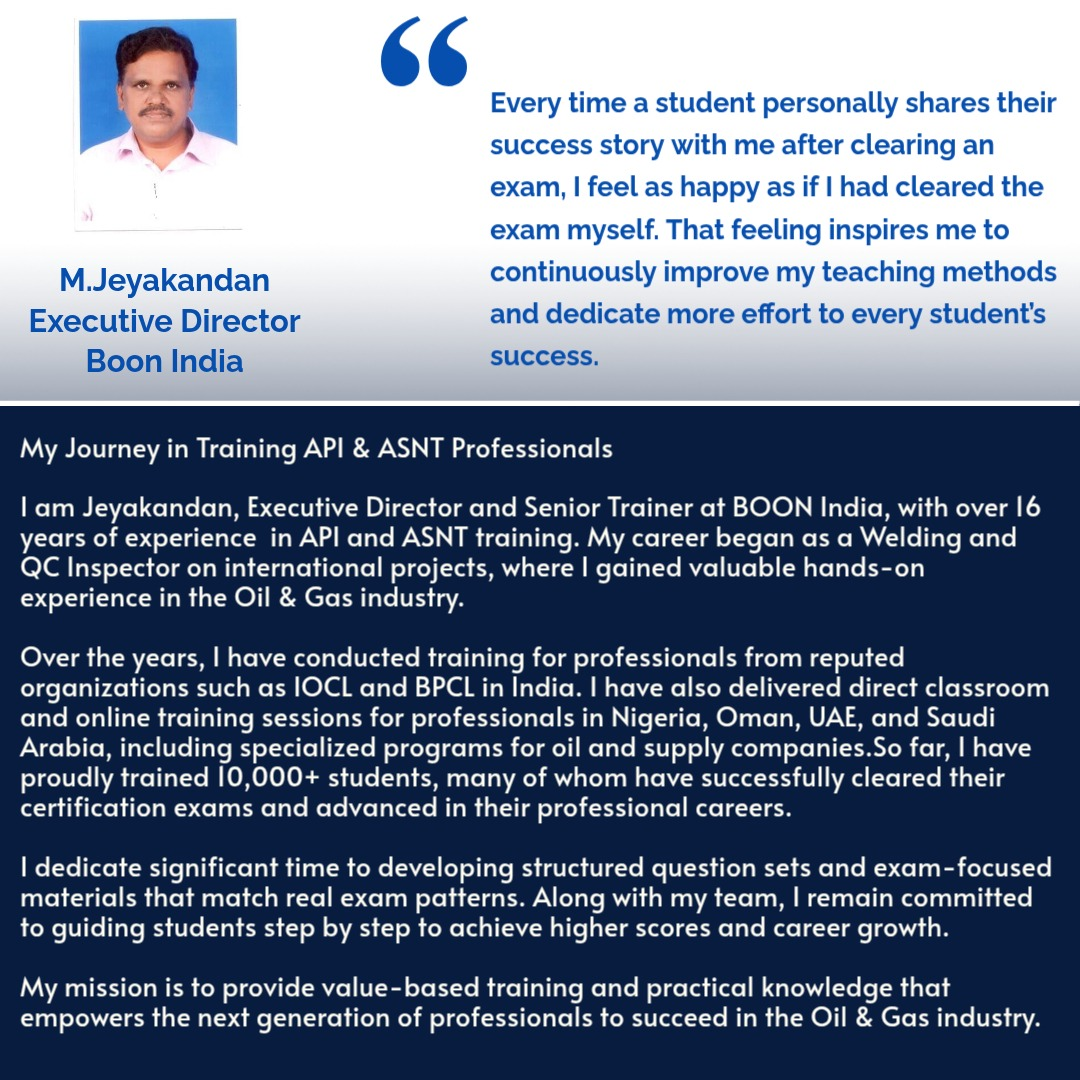

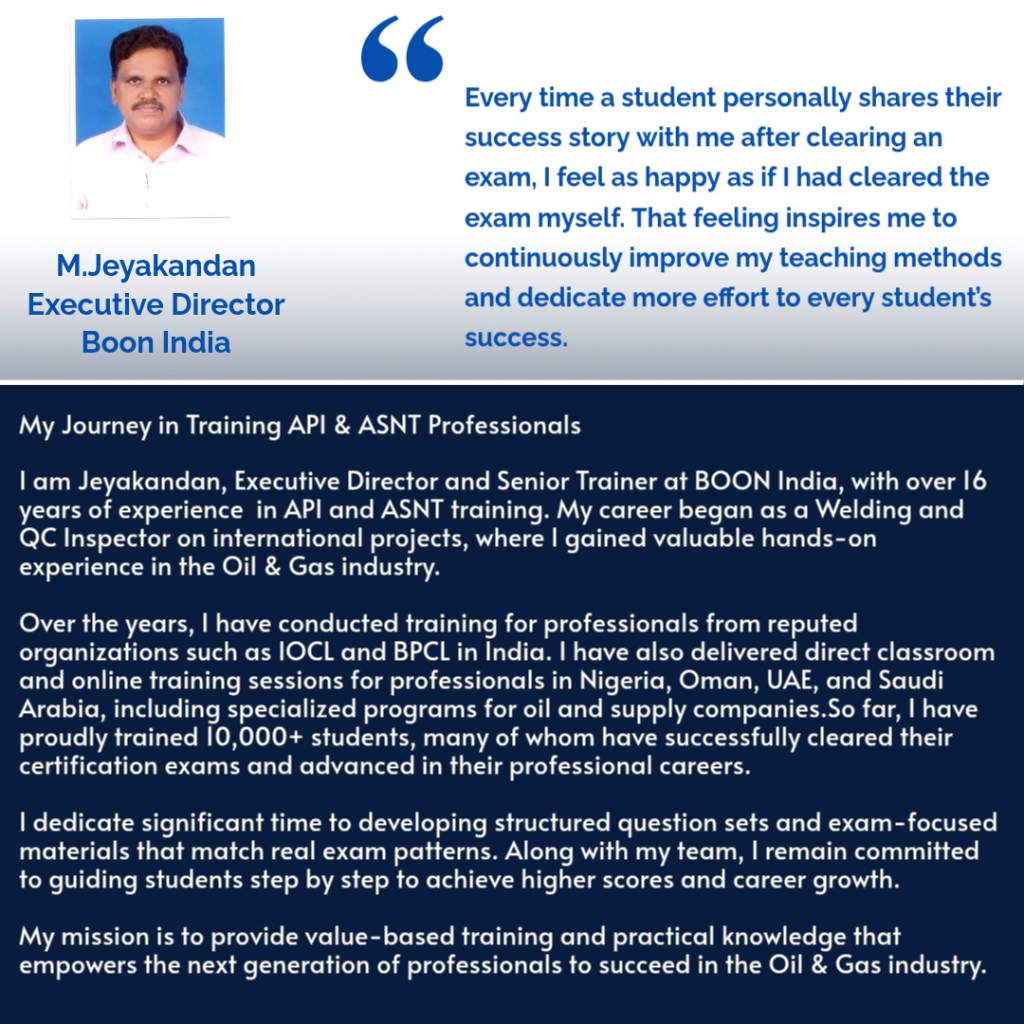
  • Meet the Man Who Has Trained 10,000+ NDT Professionals — M. Jeyakandan, Boon India Trichy

    Meet the Man Who Has Trained 10,000+ NDT Professionals — M. Jeyakandan, Boon India Trichy

    “Every time a student personally shares their success story with me after clearing an exam, I feel as happy as if I had cleared the exam myself. That feeling inspires me to continuously improve my teaching methods and dedicate more effort to every student’s success.”— M. Jeyakandan, Executive Director, Boon India

    Before We Talk About Training, Let Me Tell You Where This Started

    Not many people who teach NDT have actually done NDT — on real pipelines, in real refineries, under real pressure. I have. Before I ever stood in front of a classroom, I was a Welding and Quality Control Inspector working on international projects in the oil and gas industry. I know what it feels like to be the person holding the inspection report that decides whether a pressure vessel is safe to operate. I know what it costs — professionally and personally — to get that call wrong.

    That experience is the foundation of everything I teach at Boon India. It shapes how I explain concepts, which real-world examples I use in class, and how I prepare students for the exams and the field situations that follow. NDT training at Trichy, as we practice it at Boon India, is not about memorising answers. It is about building the kind of deep understanding that keeps people safe and careers intact.

    Sixteen Years — and Over 10,000 Students Later

    When people hear the number 10,000, they sometimes assume it is a marketing figure. It is not. It is the count of real students who have sat through API and ASNT training programs that I have designed, delivered, or overseen since I joined this field as a trainer. Some of them are now working in Saudi Arabia, UAE, Qatar, and Kuwait in senior inspection roles. Some are running their own QC departments in major Indian refineries. A few have gone on to achieve NDT Level-III certification and come back to train others themselves.

    Each one of those 10,000 represents a question I answered in class, a practice paper I marked, a doubt I cleared at 10 pm over the phone because someone had an exam the next morning. That is the kind of engagement I believe NDT training at Trichy should involve. Not a distance between trainer and student, but a genuine investment in each person’s outcome.

    The Industries I Have Trained For — and Why It Matters for You

    One of the things that sets the best NDT trainers at Trichy apart from those who have only ever worked in academia is exposure to multiple industries and operating environments. Over the course of my career, I have conducted training for professionals from organisations including IOCL (Indian Oil Corporation Limited) and BPCL (Bharat Petroleum Corporation Limited) — two of India’s largest refining and distribution companies. These are organisations with exacting standards, and their engineers and inspectors come into training programs with real, specific, practical questions.

    I have also delivered classroom and online training to professionals in Nigeria, Oman, the UAE, and Saudi Arabia — including specialised programs for oil supply companies operating in the Gulf. Training internationally changes your perspective as a trainer. You learn which concepts travel across contexts and which ones need a different kind of explanation depending on the project environment, the applicable codes, and the inspection challenges a technician will actually face on the ground.

    What this breadth of experience means for a student at Boon India is simple: when you ask a question in class, you are not getting a textbook answer. You are getting the answer that comes from having seen that exact issue — or something very close to it — in a real industrial setting.

    How I Approach API and ASNT Training — and Why the Pass Rates Speak for Themselves

    There is a particular challenge in preparing candidates for API 510, API 570, ASNT NDT Level-II, and Level-III examinations. The exams themselves are rigorous — they test not just recall but applied judgement. A candidate who has memorised paragraphs from the codes without understanding the underlying logic will struggle under exam conditions. A candidate who truly understands why each code requirement exists will navigate even an unfamiliar question type with confidence.

    My approach to building that understanding is structured around three things. First, I dedicate significant time to developing question sets and exam-focused materials that match real exam patterns — not generic practice papers, but materials built on detailed analysis of what the actual examinations test and how they test it. If you have been through one of my preparatory programs, you will recognise the style of question before you even sit down in the exam room.

    Second, I believe in step-by-step progression. You do not jump to complex weld discontinuity evaluation before you are completely clear on the fundamental physics of ultrasonic wave propagation. You do not attempt API 570 practice papers before you can read a piping system drawing with confidence. The structure of the program matters as much as the content.

    Third, I remain available. Students who have questions between sessions get answers. Students who are struggling with a particular concept get additional attention. The best NDT institute in Trichy, in my view, is not the one with the most impressive facility — it is the one where a student’s success is treated as the trainer’s personal responsibility.

    “I dedicate significant time to developing structured question sets and exam-focused materials that match real exam patterns. Along with my team, I remain committed to guiding students step by step to achieve higher scores and career growth.”— M. Jeyakandan, Boon India

    What I Have Learned About What Students Actually Need

    Sixteen years of teaching give you a very clear view of the gap between what students think they need and what they actually need to succeed. Most students who come to Boon India for NDT training at Trichy arrive with the idea that they need to know more — more content, more codes, more technical detail. In reality, most of them already have more than enough raw information. What they lack is clarity: a clear mental model of how all the pieces fit together, and confident application of that model under exam and field conditions.

    That is why so much of what we do in class at Boon India is not just information delivery — it is active problem-solving, discussion of real inspection scenarios, and deliberate practice under timed conditions. I want students leaving a session not just with notes but with a changed way of thinking about the subject.

    The students who send me messages after clearing their exams — and they do, regularly — rarely say ‘thank you for the notes’ or ‘the material was comprehensive.’ They say ‘I understood it’ or ‘I felt calm in the exam because I had practised thinking, not just reading.’ That is the goal. That is what NDT training at Trichy should feel like when it is done properly.

    The Mission: Empowering the Next Generation for the Oil & Gas Industry

    The oil and gas industry is not forgiving of mistakes, and it is not forgiving of inadequate preparation. The inspection decisions made by NDT and API professionals have direct consequences for the safety of people working in and around industrial facilities. I take that responsibility seriously — not as a business consideration, but as a professional and personal one.

    My mission, which has not changed since I started training, is to provide value-based training and practical knowledge that genuinely empowers professionals to succeed. That means sending students into the field not just with a certificate but with the competence and confidence to use it. It means building programs that reflect real industrial demands, not just exam syllabi. And it means staying connected to the industry — through my own continued learning, through our trainer network, and through the alumni who come back to share what they are encountering in their careers.

    Boon India, as the best NDT institute in Trichy, carries that mission forward through every batch, every exam season, and every success story that finds its way back to us.

    A Word to Anyone Considering NDT Training at Trichy

    If you are reading this and wondering whether NDT is the right path for you, here is my honest assessment: it is one of the most durable and internationally respected professional qualifications you can build. The demand for certified NDT and API professionals in oil and gas, power generation, aerospace, and infrastructure is not going away. If anything, it is growing — as safety regulations tighten, as infrastructure ages and requires more intensive inspection programs, and as Gulf-based projects continue to recruit heavily from India.

    What I can promise you is this: if you come to Boon India and engage seriously with the program, you will leave better prepared than you came. You will understand the material at a level that serves you not just in the exam room but in every inspection assignment that follows. And if you have questions — before, during, or even after the program — I will be available to answer them.

    That is the commitment Boon India has made to over 10,000 students so far. It is the same commitment we make to every student who walks in.

    Learn More About Our NDT Programs

    Boon India offers NDT Level-II training in UT, RT, MT, PT, ET, and RFI, along with API 510, API 570, ASNT Level-III preparatory, and CSWIP programs. The next batch for NDT Level-2 courses at Trichy begins soon.

  • How to Choose the Best NDT Institute in Trichy – A Practical Guide for Your Career

    How to Choose the Best NDT Institute in Trichy – A Practical Guide for Your Career

    Non-Destructive Testing (NDT) has become one of the most in-demand technical skills in today’s industrial world. Whether you aim to work in oil and gas, manufacturing, aerospace, construction, or power plants, NDT Level-2 certification is now considered essential for career growth. Naturally, this pushes many students to search online for How to Choose the Best NDT Institute in Trichy, especially because Trichy has grown into a major hub for industrial training.

    But with so many institutes claiming to offer “the best NDT course at Trichy,” choosing the right one can be confusing. Some centres focus only on theory, some lack proper infrastructure, and a few do not follow ASNT or international training standards. The wrong choice can cost time, money, and future opportunities.

    This blog is designed to give you a clear, simple, and practical guide to choosing the Best NDT institute in Trichy—based on real training standards, trainer quality, lab facilities, and placement support. We’ll also highlight why Boon India is preferred by engineering students and working professionals across Tamil Nadu.

    Why Choosing the Best NDT Institute Matters

    Lorem Ipsum has been the industry’s standard dummy text ever since the 1500s.

    Before we dive into the actual selection process, it’s important to understand why choosing the right institute is so important.

    NDT is not just a classroom course—it is a technical skill that demands hands-on training, accurate procedures, and certified Level-II knowledge in UT, RT, MT, PT, and VT. A poor training centre may teach you the basics, but it will not prepare you for real field work.

    Here’s why your decision matters:

    1. Better career opportunities

    Industries prefer candidates trained at professional NDT facilities with updated equipment and certified trainers.

    2. Higher salary potential

    Well-trained NDT technicians and inspectors often earn more—both in India and abroad.

    3. Faster job placement

    Institutes with good industry connections help place students quickly.

    4. Real skill mastery

    NDT requires precision and accuracy, especially when identifying defects in welds, castings, and industrial components.

    5. Strong foundation for QC/QA careers

    Most QC jobs today require NDT Level-2 certification as a basic requirement.

    This is why students need to understand clearly how to choose the Best NDT Institute in Trichy—because the institute you choose can shape your entire career.

    What Makes an NDT Institute Truly the Best?

    If you want to identify the Best NDT Training facility at Trichy, here are the exact things you should check before enrolling.

    1. Check if the Institute Provides Full Level-2 Training (UT, RT, MT, PT, VT)

    The most important factor is whether the institute offers the complete set of ASNT Level-II methods:

    ✔ UT – Ultrasonic Testing
    ✔ RT – Radiographic Testing (theory + interpretation)
    ✔ MT – Magnetic Particle Testing
    ✔ PT – Penetrant Testing
    ✔ VT – Visual Testing

    Many institutes in Tamil Nadu offer only 2 or 3 methods, but industries require full Level-II certification.

    A Best NDT institute in Trichy will always offer all Level-2 methods with proper certification and practical exposure.

    2. Trainer Experience (Industry Background Matters)

    This is the single biggest factor that differentiates average institutes from excellent ones.

    Best NDT Trainers at Trichy typically have:
    – Real experience in plant inspections
    – Exposure to oil & gas projects
    – Knowledge of ASME, ASTM, AWS codes
    – Experience with industrial defects
    – Practical field case studies

    The quality of the trainer directly affects the quality of your learning. Even the best lab equipment can’t replace an experienced instructor who has worked in real industries.

    3. Practical Lab & Real Time Hands-on Practice

    NDT is a practical skill. You must learn by doing.

    A good training centre will have:
    ✔ Industrial test specimens
    ✔ Real cracks, weld defects, inclusions
    ✔ Updated flaw detectors
    ✔ UT machines, yokes, probes, MPI bench setups
    ✔ Dye penetrant stations
    ✔ RT film interpretation samples

    An institute that provides only theory is not worth your investment.

    4. Batch Size & Personal Attention

    In a crowded classroom, you won’t get personal guidance.

    The Best NDT Training facility at Trichy will limit batch sizes to ensure individual attention, especially during UT calibration, MPI demonstration, and RT film reading.

    5. Placement Assistance & Industry Connections

    Most students choose NDT because they want jobs in:

    – Oil & Gas
    – Petrochemical plants
    – Refineries
    – Steel plants
    – Manufacturing units
    – Fabrication yards
    – Power projects

    A good institute will have:
    ✔ Placement support
    ✔ Company tie-ups
    ✔ Interview preparation
    ✔ Resume building guidance
    ✔ Job alerts through email/WhatsApp
    ✔ References from past students

    6. Reviews, Student Feedback & Real Results

    One of the best ways to judge an institute is by talking to previous students or checking real Google reviews.

    Check for:
    – Genuine reviews
    – Placement feedback
    – Happy students
    – Alumni success stories

    These factors show whether the institute is consistent in delivering value.

    How to Choose the Best NDT Institute in Trichy – A Simple, Step-by-Step Method

    Here’s a foolproof checklist.

    Step 1: Verify if they offer full Level-2 methods

    (UT, RT, MT, PT, VT)

    Step 2: Speak to the trainers

    Ask them about their industrial background.

    Step 3: Visit the lab

    See the equipment with your own eyes.

    Step 4: Ask about placement support

    Check placement history and tie-ups.

    Step 5: Compare fees, but don’t compromise quality

    Remember: cheaper doesn’t mean better.

    Step 6: Check if the training follows ASNT/ISO procedures

    Industries expect standardised training.

    Step 7: Check if the institute explains the international job scope

    A good institute will guide you on Gulf, Singapore, Malaysia, and Africa job opportunities.

    This step-by-step approach helps students practically understand how to choose the Best NDT Institute in Trichy without confusion.

    Why Boon India Is Considered the Best NDT Institute in Trichy

    Now that you know what a good institute must offer, let’s evaluate Boon India based on these parameters.

    Boon India consistently stands out as one of the Best NDT institutes in Trichy, and here’s why:

    ✔ 1. Complete ASNT Level-II Training

    UT, RT (Interpretation), MT, PT, VT—all included.

    ✔ 2. Experienced Trainers

    Boon India’s trainers come with extensive industry exposure, making them some of the Best NDT Trainers at Trichy.

    ✔ 3. Updated Lab & Real-time Practical Training

    Students get hands-on practice with real test specimens and modern equipment.

    ✔ 4. Industry-Relevant Curriculum

    The course follows ASNT standards and meets real industrial requirements.

    ✔ 5. Strong Placement Support

    Boon India assists students with resume building, job connections, and placement opportunities.

    ✔ 6. Affordable and Student-Friendly

    The institute maintains quality training at accessible fees.

    ✔ 7. Excellent Google Reviews

    Their track record shows high student satisfaction.

    This makes Boon India a preferred choice for students looking for NDT Level-2 Courses at Trichy with reliable training and real-world skill development.

    Additional Factors That Make Boon India Stand Out

    Modern Learning Environment

    Clean classrooms, well-maintained labs, and a structured learning environment help students stay focused.

    Flexible Batch Timings

    Ideal for college students, working professionals, and job seekers.

    Guidance for Overseas Careers

    Boon India provides orientation for the Gulf and Asian country job markets.

    Support Beyond Certification

    Even after completing the NDT course at Trichy, students get continuous guidance.

    Career Opportunities After Completing NDT Level-2

    Once you complete training from the Best NDT Training facility at Trichy, you can work in roles such as:

    – NDT Technician
    – NDT Level-II Inspector
    – QA/QC Inspector
    – Welding Inspector
    – Plant Maintenance Technician
    – Pipeline Inspector
    – Fabrication QC
    – Site Testing Technician

    Industries hiring NDT professionals include:

    – Oil & Gas
    – Construction
    – Refineries
    – Manufacturing
    – Aerospace
    – Power Plants
    – Shipyards
    – Chemical Plants

    Salary Expectations After NDT Level-2 Training

    India:

    ₹18,000 – ₹40,000/month for freshers
    ₹50,000 – ₹1,00,000/month for experienced candidates

    Abroad:

    ₹1,50,000 – ₹4,00,000/month depending on country and project

    Your salary depends heavily on the quality of your training—one more reason to learn how to choose the Best NDT Institute in Trichy correctly.

    Final Thoughts – Choose Right, Choose Smart

    Your decision today will influence your entire career. NDT is a skill-based profession, and choosing the right institute is the foundation of your success. Whether you’re a fresher, a diploma holder, or a working professional looking to grow, selecting the Best NDT institute in Trichy will save time, increase placement chances, and help you acquire real technical expertise.

    If you want quality training, strong placement support, and experienced trainers, Boon India is one of the best choices available.

    Don’t settle for less. Choose wisely. Choose professionally. Choose the best.

  • Choosing the Right QC Course for Engineers

    Choosing the Right QC Course for Engineers

    Choosing the Right QC Course for Engineers – A Complete Guide for Career Growth

    Engineering graduates today face a competitive job market where technical knowledge alone is not enough. Industries across manufacturing, oil & gas, power plants, construction, aerospace, automotive, and fabrication are demanding professionals with strong Quality Control (QC) and Quality Assurance (QA) skills. That’s why choosing the right QC course for engineers has become one of the most important career decisions for freshers and working professionals alike.

    A well-structured QC course can help engineers enter high-demand inspection roles, earn better salaries, gain international opportunities, and build long-term stability. In regions like Tamil Nadu—especially Trichy—many students look for institutes with a strong technical foundation and industry experience. Boon India is one such training center recognized for its NDT course at Trichy, industry-aligned QC curriculum, and experienced trainers.

    In this guide, we will help you understand what QC courses are, which programs suit your engineering branch, what job roles they lead to, and how to pick the right course for your future.


    What Is Quality Control (QC) in Engineering?

    Lorem Ipsum has been the industry’s standard dummy text ever since the 1500s.

    Quality Control ensures that materials, components, and engineering processes meet industry standards, safety codes, and design requirements. QC professionals inspect, test, validate, and verify every stage of manufacturing or construction to ensure zero-defect output.

    Before choosing the right QC course for engineers, you must understand the major branches:

    • Mechanical QC
    • Civil QC
    • Welding QC
    • Electrical QC
    • Piping QC
    • Structural QC
    • Industrial QC
    • NDT (Non-Destructive Testing)

    Each QC specialization requires different skills and certifications.


    Why QC Courses Matter for Engineering Careers

    1. High Market Demand

    Industries can’t operate without QC inspectors. Every manufacturing unit, construction project, refinery, or fabrication workshop needs QC engineers to monitor processes and prevent failures.

    2. Attractive Salary Packages

    QC engineers earn significantly higher than regular technicians:

    • Freshers: ₹18,000 – ₹35,000 / month
    • Experienced QC inspectors: ₹50,000 – ₹90,000 / month
    • Abroad (Gulf/Singapore): ₹1.5 – ₹3.5 lakhs / month

    This strong earning potential is one reason many engineering graduates look for QC courses and NDT Training at Trichy.

    3. Short Training, Fast Job Entry

    Most QC programs can be completed within a few weeks to a few months. This is ideal for fresh graduates searching for immediate job opportunities.

    4. International Career Path

    QC is globally recognized. Engineers trained in India find opportunities in:

    • UAE, Qatar, Oman
    • Singapore, Malaysia
    • Europe
    • Africa
    • Australia

    A strong QC foundation combined with NDT certification boosts global employability.


    Types of QC Courses Engineers Can Choose From

    Before choosing the right QC course for engineers, it’s important to know the available options.

    1. Mechanical QC Course

    Best for:

    • Mechanical Engineering graduates
    • Diploma in Mechanical / Production
    • ITI fitters, machinists, welders

    Includes:

    • Mechanical inspection
    • Material testing
    • Dimensional QC
    • Equipment inspection
    • Fabrication QC
    • Basic NDT methods

    Mechanical QC engineers are hired in steel plants, fabrication units, automotive industries, and oil & gas.


    2. Civil QC Course

    Best for:

    • Civil Engineering graduates
    • Construction technicians

    Includes:

    • Concrete testing
    • Soil testing
    • Structural QC
    • Rebar inspection
    • Site quality documentation

    Civil QC is in high demand for infrastructure, highways, building construction, and government projects.


    3. Welding QC Course

    Welding QC inspectors are among the highest-paid QC professionals.

    Includes:

    • Welding processes
    • WPS, PQR, WPQ
    • Weld symbols
    • Weld defect identification
    • NDT methods (MT, PT, UT)

    Often combined with CSWIP or AWS inspector training.


    4. Piping QC Course

    Piping QC engineers are needed in:

    • Refineries
    • Petrochemical plants
    • LNG terminals
    • Power stations

    Includes:

    • Piping drawings
    • Isometric reading
    • Material verification
    • Fit-up inspection
    • Hydrotesting
    • NDT coordination

    5. Electrical QC Course

    Best for EEE/ECE engineers.

    Includes:

    • Cable testing
    • Earthing systems
    • Panels and switchgear
    • Electrical safety codes
    • Inspection procedures

    Electrical QC engineers find jobs in construction and industrial projects.


    6. QA/QC Comprehensive Program

    This course combines:

    • QA documentation
    • QC inspection
    • NDT Level II
    • Welding inspection basics
    • ISO standards
    • Industry safety

    This is ideal for engineers who want a full-spectrum quality career.


    Why NDT Certification Complements QC Courses

    Many engineers combine QC training with NDT because industries prefer multi-skilled professionals.

    NDT Level-II certifications can significantly increase your job opportunities. This is why most engineers choose NDT Level-2 Courses at Trichy along with QC.

    NDT helps QC engineers perform:

    • Weld inspections
    • Surface defect testing
    • Subsurface flaw detection
    • Casting and forging inspection
    • Pipeline testing

    It is one of the fastest ways to boost your employability and salary.


    Choosing the Right QC Course for Engineers – Key Factors to Consider

    This is where the focus keyword appears naturally.

    1. Choose a Course Based on Your Engineering Branch

    Mechanical engineers should focus on Mechanical QC + NDT
    Civil engineers should choose Civil QC
    EEE/ECE engineers → Electrical QC
    Welding technicians → Welding QC + NDT

    Matching your branch ensures a smoother career entry.


    2. Choose an Institute with Practical Training

    Theoretical classes alone are not enough.
    A good institute must offer:

    • Working models
    • Demo specimens
    • Real-time inspection practice
    • Industry-grade tools
    • Hands-on testing

    This is why students choose Boon India, known as the Best NDT Training facility at Trichy.


    3. Look for Experienced Trainers

    Quality Control requires precise technical skills. The trainer’s real-world experience makes a huge difference in your understanding.

    Boon India is recognized for having the Best NDT Trainers at Trichy, who are ASNT Level-III certified and possess strong field experience.


    4. Industry-Relevant Curriculum

    When choosing the right QC course for engineers, ensure the syllabus includes:

    • NDT methods
    • Piping QC and welding basics
    • Mechanical or civil inspection
    • QA documentation
    • Codes & standards (ASME, ASTM, API)
    • Safety practices

    Industry-relevant training increases your job readiness.


    5. Placement Support

    A good QC institute must help you with:

    • Resume building
    • Interview training
    • Job alerts
    • Placement referrals

    Boon India provides excellent placement support through industry connections and years of trust.


    Skills Engineers Need for a Successful QC Career

    1. Technical Skills

    • Testing methods
    • Inspection procedures
    • Interpretation skills
    • Knowledge of materials

    2. Observation Skills

    Engineers must detect defects, cracks, and abnormalities with precision.

    3. Documentation Skills

    QC engineers prepare reports, certificates, and checklists.

    4. Problem-Solving Skills

    QC is about identifying issues and preventing future failures.

    5. NDT Knowledge

    Having NDT Level-II makes you a top choice for employers.


    Career Opportunities After QC & NDT Training

    QC professionals can work as:

    • QC Inspector
    • QA/QC Engineer
    • NDT Technician
    • Welding Inspector
    • Piping QC Engineer
    • Mechanical QC Engineer
    • Plant Inspection Technician

    Opportunities exist in India and abroad.


    Why Boon India Is a Top Choice for QC and NDT Training

    Boon India is not just an NDT institute; it is a complete skill development center for engineering careers.

    Why students prefer Boon India:

    • Recognized as Best NDT institute in Trichy
    • Offers the most industry-relevant NDT course at Trichy
    • ASNT Level-III certified trainers
    • Strong practical training environment
    • Affordable fees
    • Internationally oriented training
    • Excellent placement support

    This combination makes it one of the most trusted choices for engineers choosing the right QC course for career growth.


    Conclusion: Choosing the Right QC Course for Engineers Defines Your Future

    If you want a stable, high-paying engineering career with global opportunities, then choosing the right QC course for engineers is your first step. QC and NDT together form a powerful combination that opens job opportunities in multiple industries.

    Whether you’re a fresher or a working professional, making the right choice today can shape your entire future. Boon India—backed by expert trainers, strong placement support, and practical learning—is one of the best places to begin your journey.

  • How to Start a Career in Non-Destructive Testing: A Complete Guide for Engineers & Technicians

    How to Start a Career in Non-Destructive Testing: A Complete Guide for Engineers & Technicians

    Lorem Ipsum has been the industry’s standard dummy text ever since the 1500s.

    Non-Destructive Testing (NDT) has become one of the most important technical skill sets in today’s industrial world. With global industries emphasizing safety, quality control, and zero-defect production, the demand for NDT professionals has skyrocketed. If you’re exploring career options that are stable, well-paying, highly respected, and future-proof, then understanding how to start a career in Non-Destructive Testing is the perfect place to begin.

    Whether you’re a diploma holder, engineering student, ITI graduate, or working technician, NDT offers a clear and fast pathway to build a strong career. Many students from Tamil Nadu—especially Trichy—choose institutes like Boon India because it is known as one of the Best NDT institutes in Trichy, offering certified training, practical exposure, and job support.

    In this detailed guide, we break down everything you need to know before starting your NDT journey—from eligibility and courses to certifications, job roles, salary expectations, and the exact steps to become industry-ready.


    What Is Non-Destructive Testing (NDT)?

    Before learning how to start a career in Non-Destructive Testing, you must understand what the field involves.

    NDT refers to a series of testing methods used to evaluate materials, structures, and components without causing any damage. These methods help identify defects, cracks, corrosion, welding issues, structural weaknesses, and safety risks without affecting the serviceability of the component.

    Some widely used NDT methods include:

    • Ultrasonic Testing (UT)
    • Magnetic Particle Testing (MT)
    • Dye Penetrant Testing (PT)
    • Radiographic Testing (RT)
    • Visual Testing (VT)
    • Eddy Current Testing (ECT)

    Industries such as oil & gas, aerospace, power plants, automotive, shipbuilding, railways, and manufacturing rely heavily on NDT for quality control and safety compliance.


    Why Choose a Career in NDT?

    1. High Demand for Skilled NDT Technicians

    One of the biggest reasons people want to learn how to start a career in Non-Destructive Testing is the massive global demand. Industries are constantly looking for certified professionals, especially Level-II inspectors, because these roles require accuracy, judgment, and practical experience.

    Candidates from Trichy, Chennai, Coimbatore, Madurai, and across India often choose NDT Training at Trichy from Boon India due to the region’s strong industrial network.

    2. Excellent Salary Packages

    Entry-level NDT professionals earn competitive salaries:

    • India: ₹18,000 to ₹60,000 per month
    • Abroad (Gulf, Singapore, Europe): ₹1.5 lakhs to ₹4 lakhs per month

    This earning potential makes NDT one of the most attractive careers for freshers.

    3. Short Training Period, Long-Term Career

    Unlike degrees that take years, NDT Level-2 Courses at Trichy can be completed in 30–60 days, yet they open career opportunities that provide lifelong growth.

    4. Global Mobility

    NDT certifications are internationally recognized. Once you learn how to start a career in Non-Destructive Testing, you can work in:

    • Oil & Gas plants in UAE, Qatar, Oman
    • Shipyards in Singapore
    • Manufacturing units in Germany
    • Aerospace industries in the USA
    • Power plants and steel plants worldwide

    Eligibility Requirements for Starting a Career in NDT

    If you want to understand how to start a career in Non-Destructive Testing, you should know who qualifies.

    You are eligible if you are:

    • ITI certified
    • Diploma graduate (Mechanical / EEE / ECE)
    • BE/B.Tech graduate
    • Science graduate (Physics/Chemistry preferred)
    • Working technician wanting upskilling

    Even freshers with no prior experience can join. However, training from the right institute makes a huge difference—which is why many choose the Best NDT Training facility at Trichy, Boon India.


    Step-by-Step Guide: How to Start a Career in Non-Destructive Testing

    Below are the exact steps you should follow to build a strong, long-lasting NDT career.


    Step 1 — Understand the Industry Requirements

    Every industry expects an NDT technician to have:

    • Practical knowledge of testing tools
    • Good observational skills
    • Ability to interpret results
    • Basic understanding of materials and welding
    • Awareness of safety standards

    Before you begin, it’s important to familiarize yourself with the types of defects, reading instruments, and codes used in NDT.


    Step 2 — Choose the Right NDT Training Institute

    Your journey depends highly on where you train. Institutes differ in quality, trainer expertise, equipment availability, and placement support.

    Boon India is widely recognized as:

    • Best NDT institute in Trichy
    • Providing the Best NDT Trainers at Trichy
    • Offering top-rated NDT course at Trichy

    The institute is known for:

    • ASNT Level-III certified trainers
    • Practical hands-on training
    • Small batches for personal attention
    • Job guidance and interview support
    • Strong industrial partnerships

    Choosing the right institute is the first essential step in how to start a career in Non-Destructive Testing.


    Step 3 — Complete NDT Level-I and Level-II Certification

    Most candidates start with:

    Level-I Certification

    You learn:

    • Equipment handling
    • Basic inspection methods
    • Theory & safety procedures

    Level-II Certification

    You learn:

    • Advanced testing
    • Interpretation of results
    • Report preparation
    • Decision-making
    • Real-time defect analysis

    Level-II is the level at which most companies hire. The NDT Level-2 Courses at Trichy offered by Boon India prepare you thoroughly for real-world industry expectations.


    Step 4 — Gain Practical Experience

    Hands-on training is essential. You should practice on:

    • Weld joints
    • Casting materials
    • Forgings
    • Pipes and plates
    • Industrial test samples

    This helps you gain confidence before entering the field.

    Boon India’s Best NDT Training facility at Trichy includes full-fledged labs with real testing equipment to ensure students get practical exposure.


    Step 5 — Create an Industry-Ready Resume

    An NDT resume should highlight:

    • Your certifications
    • Practical experience
    • Equipment handled
    • Methods you specialized in
    • Software or interpretation skills

    Boon India provides resume support, mock interviews, and placement guidance.


    Step 6 — Apply for Jobs in High-Demand Sectors

    After training, you can apply in:

    • Oil & Gas refineries
    • Power plants
    • Aerospace
    • Railways
    • Manufacturing
    • Steel plants
    • Third-party inspection companies
    • Construction & pipeline companies

    Freshers usually start as:

    • Trainee NDT Technician
    • QA/QC Assistant
    • Junior NDT Inspector

    As you gain experience, you can move into senior roles and eventually become a Level-III consultant.


    Skills You Need to Start a Career in NDT

    To build a strong career, focus on developing:

    • Technical understanding
    • Accuracy & observation
    • Problem-solving ability
    • Safety awareness
    • Documentation skills
    • Communication skills

    These qualities help you grow faster once you enter the field.


    Salary Growth in NDT Careers

    A major advantage—and a key reason people learn how to start a career in Non-Destructive Testing—is salary progression.

    1–3 Years Experience

    ₹20,000 – ₹40,000 per month

    3–5 Years Experience

    ₹50,000 – ₹80,000 per month

    5+ Years Experience

    ₹1 lakh+ in India
    ₹2–4 lakhs abroad

    Because NDT plays a vital safety role, certified professionals are always in high demand.


    Why Boon India Is the Best Place to Start Your NDT Career

    Boon India stands out as a top choice because of:

    • ASNT Level-III faculty
    • Real-time lab equipment
    • Strong placement support
    • Affordable fees
    • Updated syllabus
    • Proven results
    • High student success rate

    This is why students consider it the Best NDT institute in Trichy.


    Conclusion: Your Future Starts with the Right Training

    Learning how to start a career in Non-Destructive Testing is the first step. Taking action is the next.

    If you want a high-growth career with strong salary potential, global opportunities, and continuous learning, NDT is one of the best choices.

    Whether you’re a fresher or working professional, joining a reliable institute like Boon India—known for its practical approach and strong trainer experience—can give you the perfect start.

  • What is NDT Training & Why is it Important?

    What is NDT Training & Why is it Important?

    In today’s competitive industrial world, safety, accuracy, and quality are non-negotiable. Whether it’s an oil refinery, a nuclear power plant, an aerospace project, or even railway maintenance, ensuring the reliability of materials and equipment is critical. That’s where NDT Training — Non-Destructive Testing training — comes into play.

    For engineers, technicians, and students looking to build a career in inspection, quality assurance, and industrial safety, NDT is a gateway to global opportunities. At Boon India, widely regarded as the Best NDT Institute in Trichy, thousands of learners have advanced their careers through structured NDT courses and industry-oriented certifications.

    This article will explain what NDT training is, why it is important, the different levels and certifications available, and how Boon India provides the Best NDT Training Facility in Trichy.


    What is NDT Training?

    Non-Destructive Testing (NDT) is a method of testing materials and structures without damaging them. Instead of breaking a component apart to check its integrity, NDT uses advanced methods such as ultrasound, radiography, magnetic particles, and penetrant testing to detect cracks, leaks, or internal faults.

    For example:

    • In the aerospace sector, NDT ensures aircraft components are safe for flight.
    • In oil & gas, NDT checks pipelines for leaks or corrosion.
    • In construction, it ensures that welds and joints are structurally sound.

    At Boon India, students can enrol in an NDT Course at Trichy that provides both theoretical knowledge and hands-on experience.

    Why Boon India?

    • Certified trainers with international expertise.
    • Modern labs with the latest testing equipment.
    • Placement assistance in India and abroad.

    If you are looking for NDT Training at Trichy, Boon India is your trusted partner.


    Why is NDT Training Important?

    1. Ensures Safety and Reliability

    Industries like power plants, refineries, and transportation systems rely on NDT to prevent catastrophic failures. An undetected crack in a pressure vessel or pipeline could lead to massive accidents.

    By training at a reputed institute like Boon India, students learn NDT Level II Training in India standards that meet international safety regulations.

    2. Global Career Opportunities

    Companies worldwide are hiring certified NDT professionals. After completing NDT Level-2 Courses at Trichy, graduates are eligible for roles in QA/QC inspection, welding inspection, and industrial safety.

    3. Cost-Effective Maintenance

    Instead of dismantling machines or structures for checks, NDT saves money and time by detecting issues early.

    4. Industry Recognition

    Certifications like API 510 Certification Online and CSWIP Welding Inspector Course add credibility to your profile, opening doors to high-paying international jobs.

    5. Continuous Professional Development (CPD)

    Engineers can enhance their profiles with training such as Online CPD Webinars for Engineers offered by Boon India, ensuring they remain updated with global best practices.


    Different Types of NDT Methods

    During your NDT Training in Trichy, you will explore several techniques:

    1. Ultrasonic Testing (UT): Uses high-frequency sound waves to detect internal flaws.
    2. Radiographic Testing (RT): Uses X-rays or gamma rays to view inside materials.
    3. Magnetic Particle Testing (MPT): Detects surface and near-surface flaws in ferromagnetic materials.
    4. Liquid Penetrant Testing (LPT): Reveals surface defects in metals and non-porous materials.
    5. Visual Testing (VT): The simplest and most widely used NDT method.

    These are part of the curriculum at Boon India NDT Courses, taught by the Best NDT Trainers at Trichy.


    NDT Levels Explained

    Level I

    • Basic understanding of testing methods.
    • Works under supervision.

    Level II

    • Can independently perform tests, interpret results, and write reports.
    • Most industries require NDT Level-2 Courses at Trichy for recruitment.

    Level III

    • Advanced knowledge and authority to design NDT procedures.
    • Typically for senior professionals.

    At Boon India, the NDT Level II Training in India is highly sought after due to its global recognition and hands-on learning approach.


    Advanced Certifications at Boon India

    Apart from NDT training, Boon India also offers specialized programs:

    • API 510 Certification Online: Prepares professionals for pressure vessel inspections.
    • CSWIP Welding Inspector Course: Globally recognized certification for welding inspectors.
    • QA QC Course for Mechanical Engineers: Focuses on quality assurance and control in mechanical industries.
    • Online CPD Webinar for Engineers: Short-term professional development modules.

    These certifications make Boon India not just the Best NDT Training Facility at Trichy but also a complete hub for industrial training.


    Why Choose Boon India?

    When you search for the Best NDT Institute in Trichy, the answer is simple: Boon India. Here’s why:

    • Experienced Trainers: Known as the Best NDT Trainers at Trichy, our faculty has decades of combined experience.
    • World-Class Facility: State-of-the-art labs and classrooms.
    • Placement Support: Strong ties with industries across India, the Middle East, and the Asia-Pacific.
    • Flexible Learning: Both in-class and online programs.
    • Reputation: Thousands of alumni are placed in reputed companies worldwide.

    Visit our About Us page to know more.


    Career Opportunities After NDT Training

    Graduates of Boon India find opportunities in industries like:

    • Oil & Gas Refineries
    • Aerospace & Aviation
    • Railways
    • Power Plants
    • Heavy Engineering

    An NDT Level II Certified Engineer can earn attractive salaries and work abroad, especially in the Middle East and Europe.

    With added certifications like CSWIP Welding Inspector Course and API 510 Certification Online, professionals can step into managerial QA/QC roles.

    Explore more on our Contact Page to speak with our advisors.


    FAQs

    Q: Is NDT a good career choice?
    Yes, with industries expanding globally, certified NDT professionals are always in demand.

    Q: Can I take NDT courses online?
    Yes, Boon India offers blended learning programs and online modules such as the Online CPD Webinar for Engineers.

    Q: How long does NDT training take?
    Courses can range from a few weeks to several months, depending on the level and specialization.


    Conclusion

    Non-Destructive Testing (NDT) is more than just a career skill — it’s a necessity for industries that prioritize safety, quality, and efficiency. For aspiring engineers and technicians, completing NDT Training at Trichy with Boon India is a stepping stone to a world of opportunities.

    With advanced certifications like NDT Level II Training in India, API 510 Certification Online, CSWIP Welding Inspector Course, and QA QC Course for Mechanical Engineers, you can build a future-proof career that is respected globally.

    👉 Ready to take the next step? Enrol in Boon India’s NDT Level-2 Courses at Trichy today and join the ranks of top-quality professionals driving industrial safety worldwide.